
A flat in Valencia can look perfect on a property portal and still be the wrong purchase once the paperwork is opened. That is the reality of buying property in Spain as a Dutch citizen. The opportunity is very real, but so are the risks – especially if you assume the process works like it does in the Netherlands.
Spanish property buying is not difficult because it is impossible. It is difficult because the system is local, document-heavy and often inconsistent from one property to the next. A buyer who understands the process, the costs and the checks needed is in a strong position. A buyer who relies on surface-level advice can end up inheriting legal, planning or financial problems that were avoidable.
Buying property in Spain as a Dutch citizen – can you do it easily?
Yes. As a Dutch citizen, you can buy residential property in Spain without any special restriction simply because you are an EU national. You do not need a visa just to purchase, and you can buy as a private individual, with a partner, or through a company if there is a strategic reason to do so.
That said, legal permission to buy and buying safely are two different things. The real challenge is not eligibility. It is making sure the property is legally sound, correctly registered, properly valued and suitable for your plans, whether that means relocation, a second home, retirement or investment.
If you are planning to spend extended periods in Spain, tax residency and immigration status may also become relevant, but those questions sit alongside the purchase rather than stopping it.
What you need before you start
Before you make an offer, there are a few practical steps to get in place. The first is your NIE number, which is the foreigner identification number used for tax and property transactions in Spain. Without it, you cannot complete the purchase.
You will also need a Spanish bank account in most cases. It is not always legally mandatory for every step, but in practice it makes payment of taxes, utilities, direct debits and completion costs far simpler. If you are financing the purchase with a Spanish mortgage, the bank will usually require it.
Just as important is deciding how you will buy. Some Dutch buyers purchase alone, others jointly with a spouse or partner. The ownership structure matters because it affects inheritance, taxation and how the property can be sold later. This is one of those points where early legal advice is far cheaper than fixing a poor decision afterwards.
The real cost of buying property in Spain
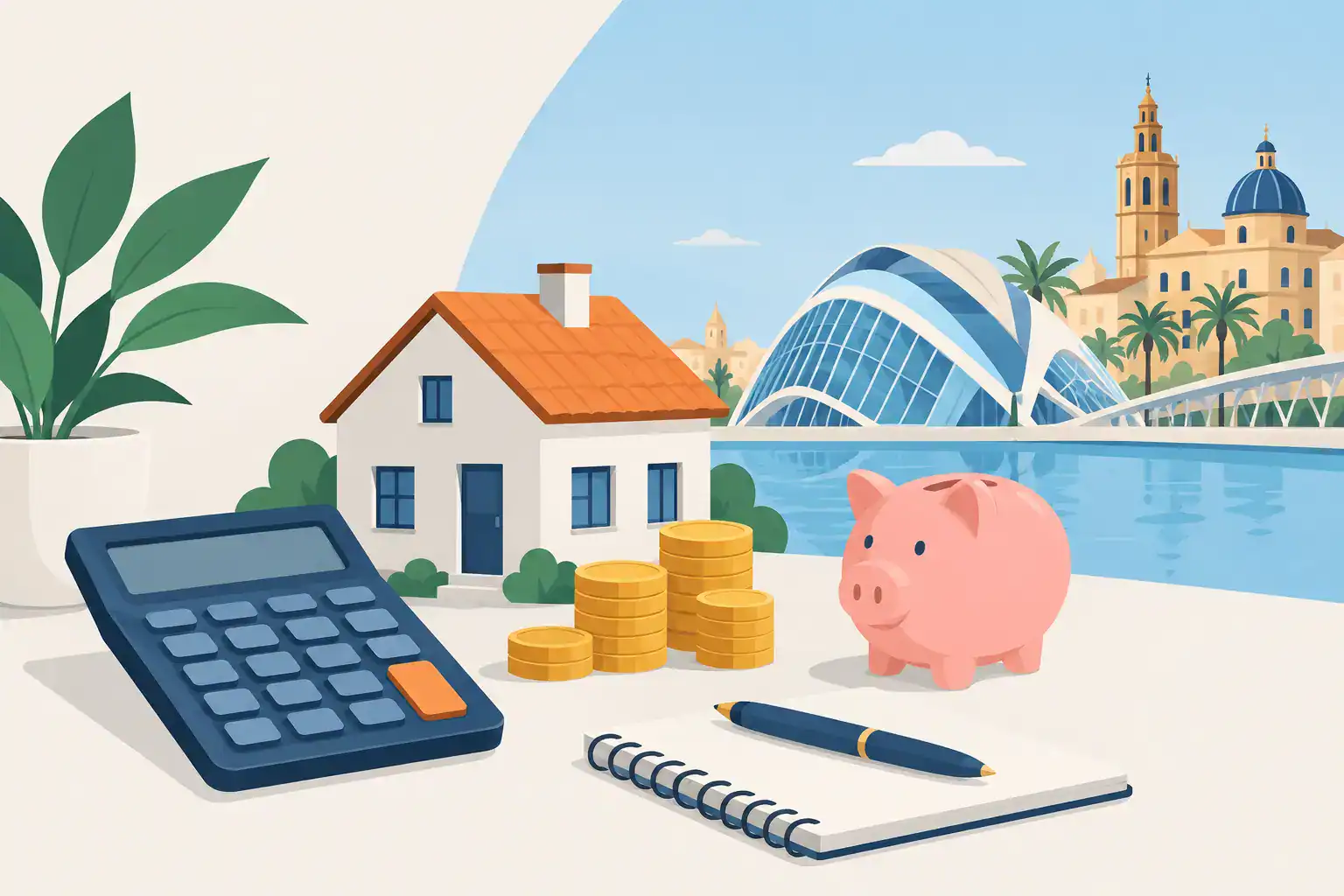
One of the most common mistakes Dutch buyers make is budgeting only for the purchase price. In Spain, acquisition costs are significant and vary depending on whether you buy a resale property or a new build.
For resale homes, you will usually pay transfer tax, plus notary fees, land registry fees and legal costs. For new builds, VAT and stamp duty usually apply instead of transfer tax. Mortgage costs can add another layer if you need finance, although some charges that used to fall on buyers have shifted over time.
As a rule, buyers should allow a sensible buffer on top of the agreed price. The exact figure depends on region, property type and financing structure, but underestimating costs at the beginning can create pressure later, especially when deposits and deadlines start to move quickly.
The Spanish buying process is simple on paper, risky in practice
The process often starts with a reservation agreement or a private purchase contract once your offer is accepted. At that stage, a deposit is usually paid. This is where many international buyers become exposed too early.
A property should not be judged only by the photographs, a pleasant viewing or the seller’s assurances. Before you commit serious money, the legal status needs to be checked properly. That includes ownership, debts, charges, planning compliance, cadastral records, community issues and whether the property matches what is registered.
In parts of Spain, irregularities are not rare. Extensions may not be registered. Tourist let assumptions may be wrong. Community fees may be unpaid. Rural properties can carry a different level of planning risk from urban flats. Even in straightforward city purchases, documentation needs to be reviewed line by line.
This is why buyer-side representation matters. A seller’s agent is there to sell the property. Your lawyer handles legal work, but legal review alone does not replace coordinated purchase strategy, local market judgement and negotiation support. The safest purchases happen when those roles work together around the buyer’s interests.
Mortgages for Dutch buyers
Dutch citizens can obtain mortgages in Spain, subject to lender criteria. Spanish banks typically lend a lower percentage to non-resident buyers than they might to residents, and affordability checks will look closely at your income, liabilities and tax position.
If your income is in euros and your financial profile is straightforward, the process is usually smoother. If you are self-employed, have complex company structures, or draw income from multiple countries, expect more document requests and longer underwriting.
There is also a strategic choice to make. Some buyers prefer to raise finance in the Netherlands, while others use a Spanish mortgage to align the loan with the asset and avoid cross-border complications. There is no universal best option. It depends on rates, tax advice, liquidity and how quickly you need to act in the market.
Buying in Valencia or Costa Blanca needs local judgement
For Dutch buyers, Valencia and the Costa Blanca often stand out for lifestyle, connectivity and value compared with other Spanish coastal markets. But they are not one single market.
A period flat in central Valencia, a modern new build in Alicante province and a villa in a smaller coastal town each come with very different checks. Urban-planning review may be more straightforward in one case and much more sensitive in another. Community rules, building quality, rental potential and resale liquidity also vary sharply.
This is where broad online advice becomes less useful. The right purchase is not simply the nicest property in budget. It is the property that fits your legal comfort level, long-term plan and negotiation position. Buyers who treat all areas and asset types as equivalent often pay for that assumption later.
Tax and ownership questions Dutch buyers should not leave until later
Owning Spanish property creates tax obligations, even if you are not a Spanish resident. These may include annual local taxes, possible non-resident tax declarations and tax consequences if you later sell the property or generate rental income.
Inheritance is another point that deserves early attention. Spanish succession rules, Dutch estate planning and how the property is titled can interact in ways that are not obvious at the buying stage. The cheapest time to think about inheritance is before completion, not after a family event forces the issue.
The same applies if you plan to rent the property, use it as a holiday home, relocate permanently or buy with children or unmarried partners. Each scenario can change the best ownership structure.
How to reduce risk when buying property in Spain as a Dutch citizen
The safest approach is disciplined rather than fast. Get your NIE early, define your budget with purchase costs included, and have your legal and financing team ready before you negotiate on a specific property.
Then focus on due diligence that goes beyond the standard sales process. Ask whether the property is correctly registered, whether there are planning concerns, whether community rules affect your intended use, and whether the asking price reflects the local market rather than foreign-buyer optimism.
It also helps to work with someone whose role is aligned with yours. A buyer-focused adviser can challenge pricing, coordinate the lawyer, flag practical concerns that do not appear in a legal report, and keep the process moving without pushing you into a weak decision. That protective layer is particularly valuable when you are buying from abroad and trying to judge a Spanish asset in a market you do not live in every day.
For Dutch buyers looking specifically at Valencia and nearby areas, that local layer can make the difference between a smooth purchase and an expensive lesson. HelloHome Valencia works on the buyer’s side for exactly that reason – to reduce risk, strengthen negotiation and give international clients proper control over the process.
A home in Spain should feel exciting, but it should also feel secure. If you keep those two goals together from the start, you give yourself a far better chance of buying well, not just buying quickly.